


Intermountain Health St. Mary’s Regional Hospital Supporting Healing Power of Music Through Initiative That Gives Students Access to Concerts

On any given night at the symphony, the most visible story is onstage.
In the seats, hundreds of personal stories are unfolding quietly – students experiencing live orchestral music for the first time, families taking part in a tradition that might otherwise be out of reach, and listeners finding calm in the middle of a hard season.
That idea sits at the center of the Grand Junction Symphony Orchestra’s Gateway Initiative, which is supported by Intermountain Health St. Mary’s Regional Hospital.
The program gives students free access to concerts and offers families reduced-price tickets.
In the 2024–2025 season, it provided 515 students with free tickets.
For some students, the impact is immediate and personal.
“I actually have had struggles with mental health before, and music really helps me,” said ticket recipient Nora Gant. “I love music so much.”
Reflecting on a recent performance she attended through the initiative, Gant called it “the most inspiring, incredible thing. It was so fun.”
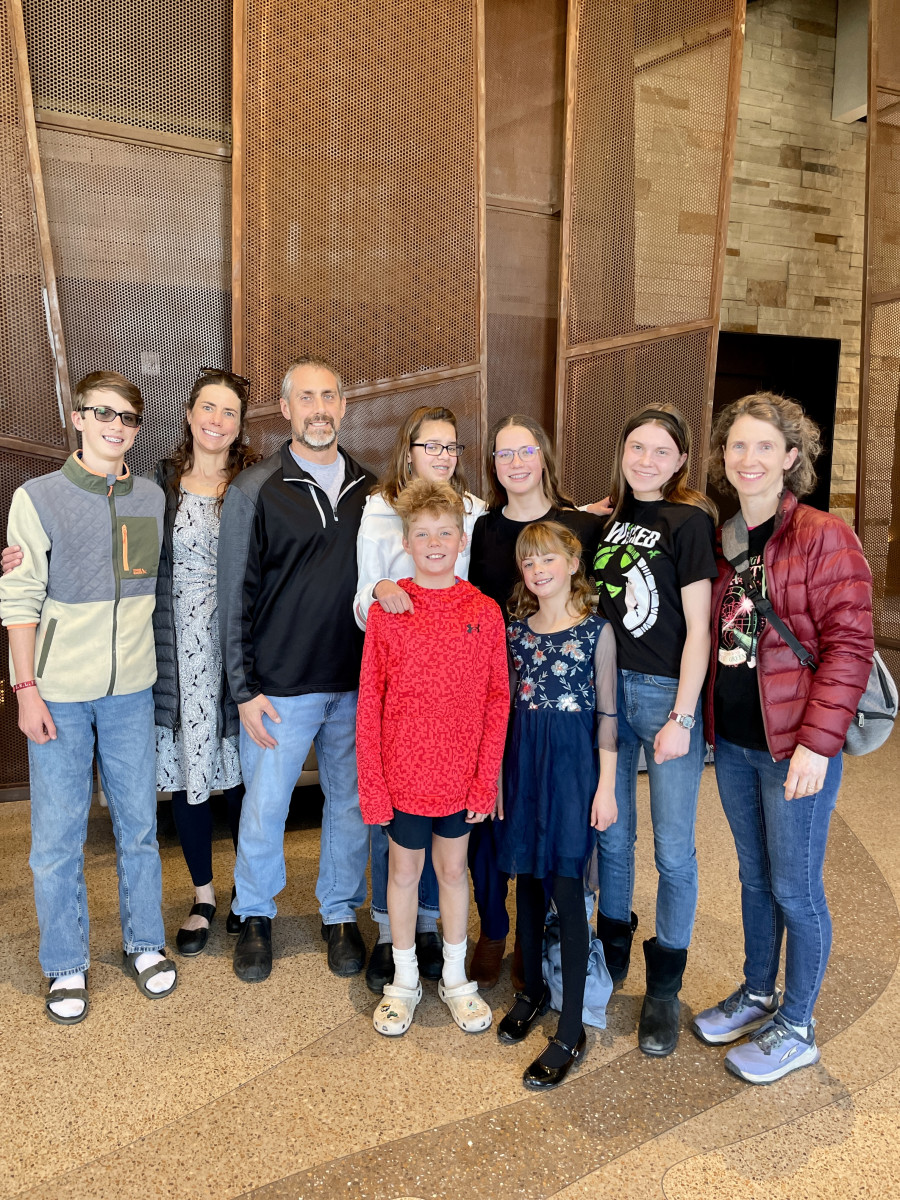
Parents also point to cost as a major hurdle for arts participation. One parent, Mykan White, said the initiative “is a great way to increase access to something that might otherwise be unaffordable.”
The orchestra sees the Gateway Initiative as aligned with its broader mission of connecting the community through live performance. Executive Director Andrew Price said a concert hall holds hundreds of individual experiences at once.
“We perform music, but the next level is about touching the emotions of people when they come into the hall,” said Price. “There are 800 different circumstances in the room, and the music we perform is going to impact every single one of them in a different way.”
That notion—that music can reach people where they are—shows up repeatedly in history.
In 1940, composer Olivier Messiaen wrote Quartet for the End of Time while imprisoned in a concentration camp, composing with limited materials alongside fellow musicians. Accounts of the work’s first performance describe how it offered a rare sense of beauty and dignity in a brutal place.
In moments of crisis—natural disasters, mass tragedy, even 9/11—people often turn to song and shared sound before they can find the right words. As pianist Karl Paulnack explains, music helps us “locate the big, invisible moving pieces inside our hearts and souls,” giving shape to emotions when words fall short.
For St. Mary’s, that belief translates into practical support: underwriting access so more young people can be in the room, hear the music live, and decide for themselves what it means.
Supporters describe the initiative as an investment in community wellbeing—one that recognizes health as more than the absence of illness. By helping students and families cross the threshold into the concert hall, St. Mary’s and the orchestra are betting that the arts can strengthen resilience, connection and hope far beyond hospital walls.