


Special Delivery: Intermountain Health Caregivers Deliver Teddy Bears to Billings, Montana Police Department for Kids in Crisis
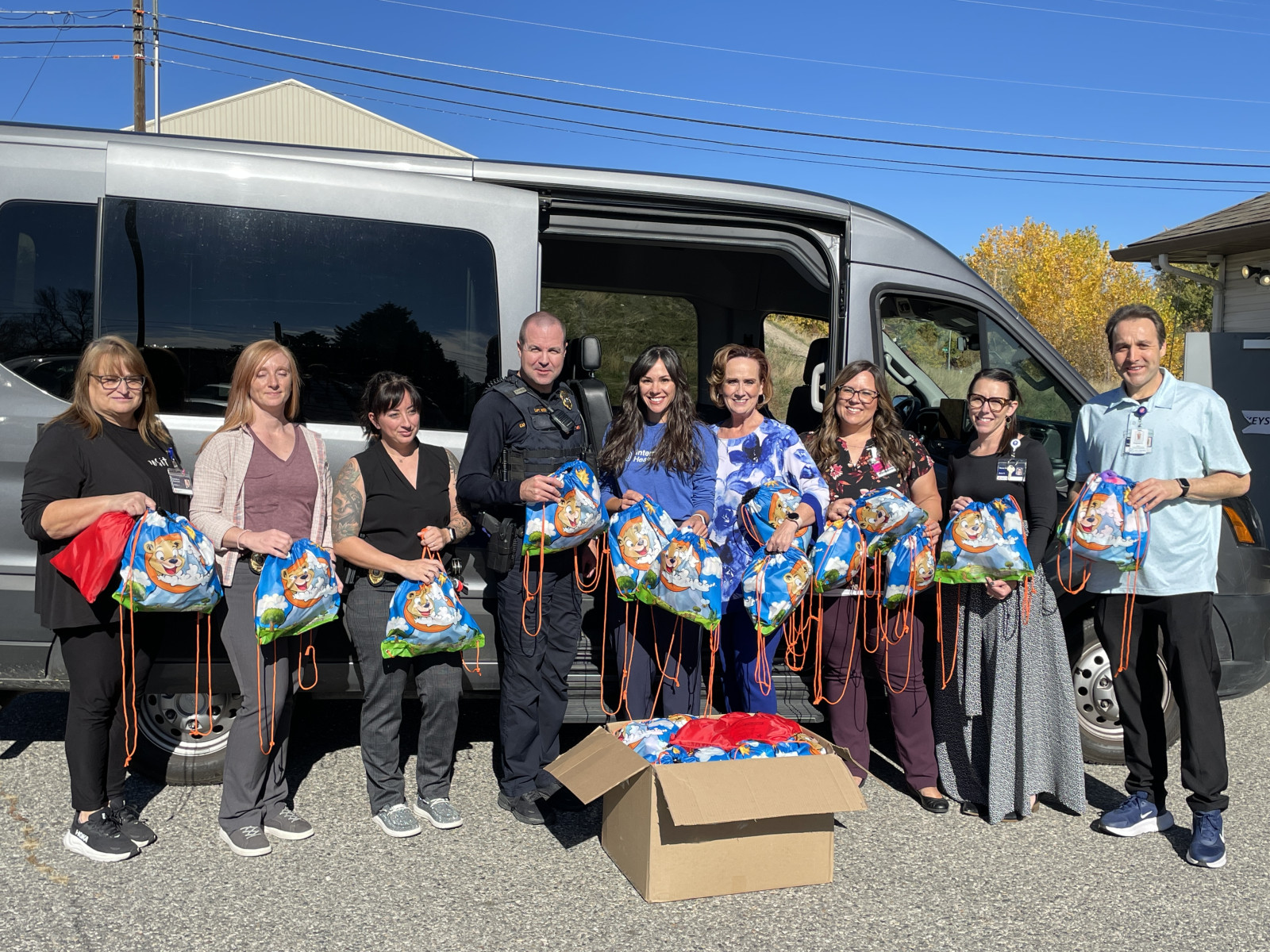
In an effort to comfort children experiencing traumatic situations, including those affected by domestic violence, Intermountain St. Vincent Regional Hospital will donate more than 200 stuffed animals to the Billings, Montana Police Department.
October is National Domestic Violence Awareness Month, which serves as a powerful reminder of the importance of community support and empathy.
“Donating these stuffed animals goes far beyond the act of giving – it’s an expression of love and resilience for children who need it most. At St. Vincent Regional Hospital, our mission is rooted in serving those who are poor and vulnerable,” said Lee Boyles, president of Intermountain St. Vincent Regional Hospital and Intermountain Health’s Montana & Wyoming Market. “Through this service project, our leadership team was able to truly embody that mission, personally crafting each DIY ‘build-a-bear' kit with care and compassion.”
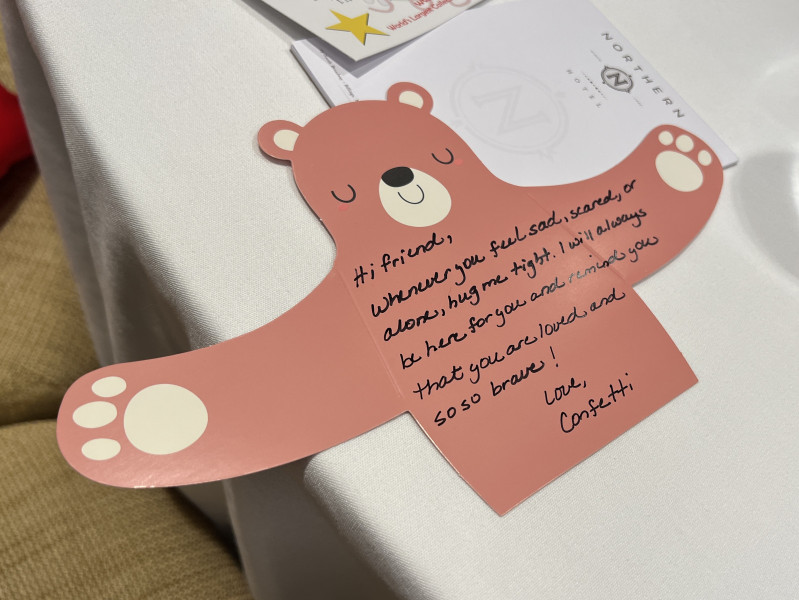
Each kit includes a stuffed animal, a birth certificate, and a handwritten card with words like: “You are strong. You are brave. You are loved.”
“We are deeply grateful for this generous donation of care kits created by the leadership team at Intermountain St. Vincent. What makes this gift even more special is the personal touch — the encouraging note offers children in crisis not just comfort, but a reminder that they matter and are loved,” said Billings Police Captain Brandon Wooley.
Through this initiative, Intermountain St. Vincent and the Billings Police Department are working together to bring reassurance and hope to the youngest and most vulnerable victims, while also shining a light on the critical issue of domestic violence.
“Hospitals play a vital role in raising awareness about domestic violence because we often see firsthand the physical and emotional impact on victims,” explained Boyles. “By educating the community, supporting prevention efforts, and connecting individuals to resources, our care teams can help break cycles of abuse and promote safety and healing."