


‘You’re Not Alone’: After Treatment at Intermountain Health St. Vincent Regional Hospital, Breast Cancer Survivor Encourages Women to Seek Support During Cancer Journey
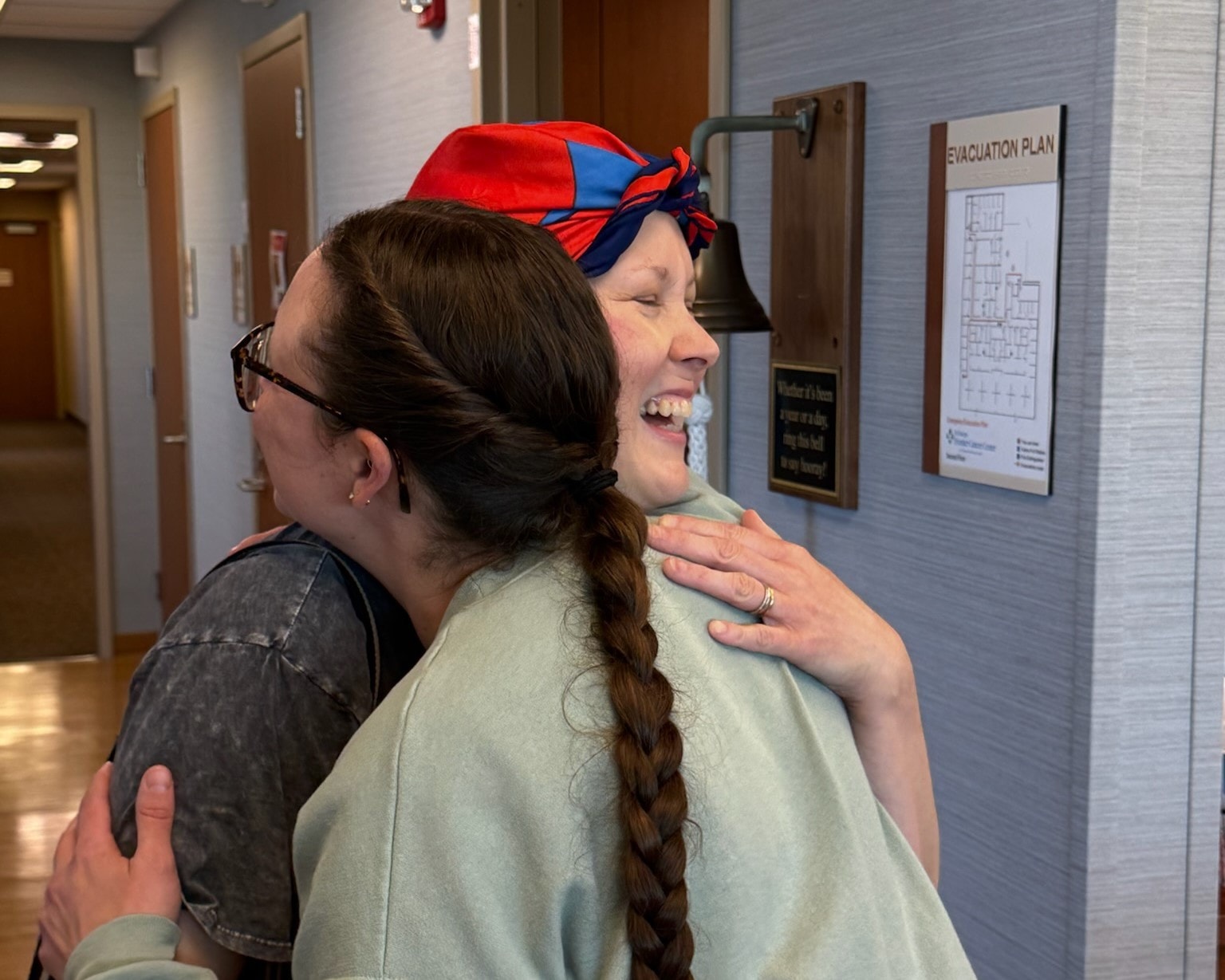
Bethanne Kelleher takes pride in her health. She stays active, eats well, and has healthy habits. That made her diagnosis with an aggressive form of breast cancer, at the age of 45, a shock.
“I know that it can happen at any age, but I definitely didn’t think it would be me,” she said.
It had been about 18 months since her last screening mammogram, in December 2025, when she felt tenderness and a lump in her breast. She talked with her primary care provider, and they scheduled her for a diagnostic mammogram at the Intermountain Health Breast Center in Billings, Mont.
Because of her symptoms, they were able to do a biopsy the same day. She would be diagnosed with breast cancer just a few days before Christmas. Further testing would reveal a stage 3 diagnosis.
Because of her type of cancer, she would undergo intensive treatment that included a mastectomy of her right breast, chemotherapy and radiation therapy, followed by immunotherapy.
Because of advancements in breast cancer treatment, despite the stage of her cancer, her treatment plan was designed to be curative.
“My doctors told me that they were ‘giving it everything we got’,” she said. “They told me they were giving me the world tour (of cancer treatment).”
As a mother of a 5-year-old son, Kelleher leaned on her support system to help her through the treatment.
For Kelleher, it was important to help her son understand what was happening. They found age-appropriate resources that helped him understand what his mom was going through.
“He knew I was sick. We got some kids’ books that talked about my hair falling out and the medicine I was going to take,” she said. “He is very empathetic. If I wasn’t feeling good, he would just snuggle with me and just be his sweet self.”
She also relied on support from family and friends, and women who had been in her shoes.
“Before I got diagnosed, I didn’t know that many people who had breast cancer. Once I shared my story, I started talking to people who were just like me. Hearing other people’s stories let me know that there is light at the other end," she said.
She also felt support from her care team, including Ella Dugan Staples, a breast cancer navigator at Intermountain Health.
When she was feeling overwhelmed, Dugan Staples helped make appointments, explained the next steps in the process, and provided a shoulder to cry on.
Dugan Staples also encouraged her to join a support group for women who are in treatment or who have survived breast cancer. Many of the women have finished treatment more than 20 years ago, but find community and support in connecting with one another.
“What I realized was that a lot of those women were my age when they went through treatment,” said Kelleher. “To see that they’re thriving and they’re doing well, it’s such a testament.”
This perspective has helped Kelleher as she finishes her treatment and looks forward to life after cancer. Her advice to other women is to seek out support and don’t be afraid to ask for what you need.
“You don’t just want to be alive and survive. That’s important. But then you realize, ‘I’m living now, and I want to have a quality of life,” she said. “You can have a wonderful life after breast cancer.”
For Kelleher, that has meant finding other resources such as physical therapy, support for hormonal changes, and the support group.
“The most important thing I would say is to speak up, to be an advocate for yourself and to realize you’re not alone.”
Nearly a year since diagnosis, Kelleher has a new outlook on life and her health, and is sharing her story to help other women who may be facing a new diagnosis.
By sharing her experience and challenges, she was able to uncover resources and help she never expected. She doesn’t want other women to feel alone in their journey.
Her advice: “Talk about it! You will realize there’s more support out there for you than you thought.”
For women at average risk of breast cancer, it is recommended to begin annual screening mammograms at age 40. Women with a family history of breast cancer or other risk factors should talk with their healthcare provider about whether screening should begin earlier.
For more information or to schedule a mammogram visit: svh.org/mammography
###