


Sharing of a Friend's Cancer Journey Proves to be Lifesaving for Montana Man Treated at Intermountain Holy Rosary Hospital
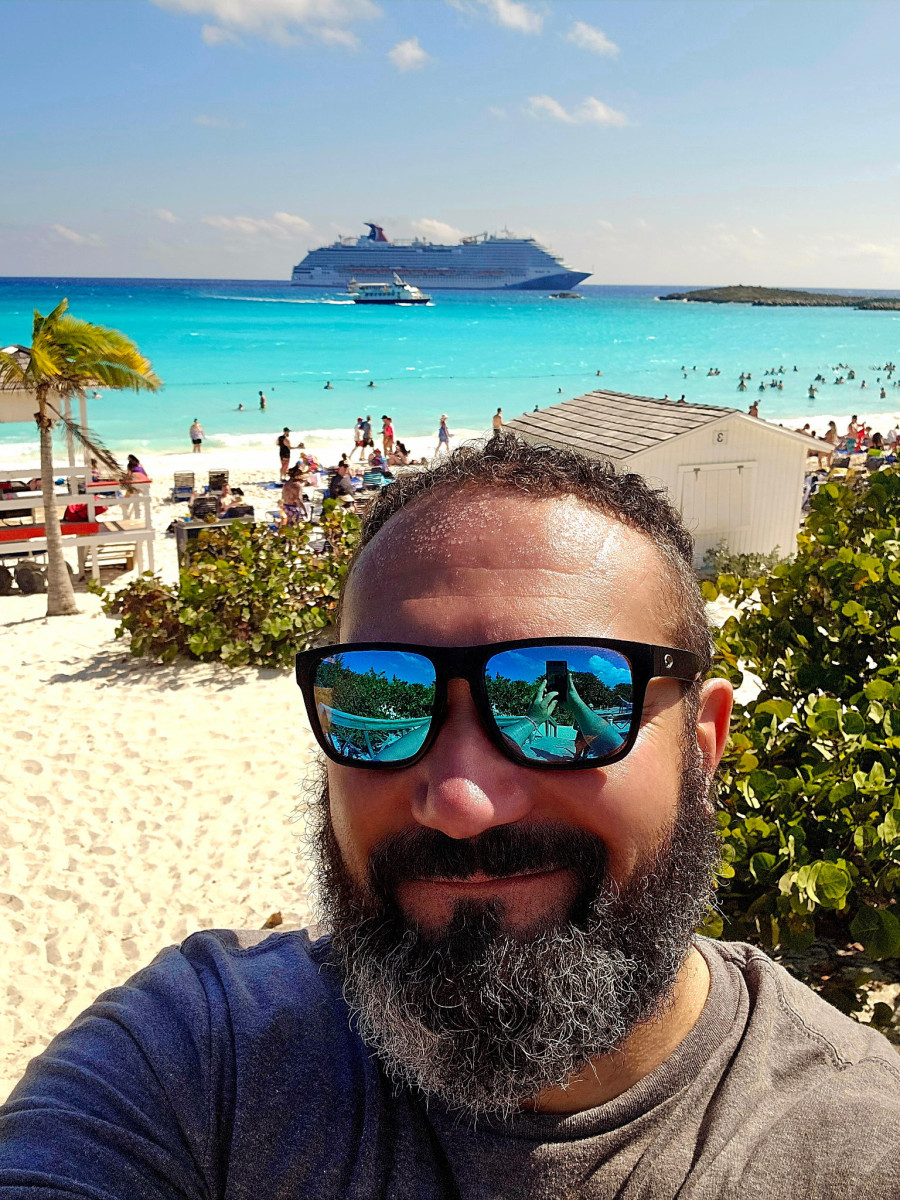
Terry Laird’s brush with cancer highlights the importance of advocacy and how one person's story can change the course of the life of another.
His compelling story of his decision to get a colonoscopy screening, a decision that ultimately saved his life, is a powerful reminder of the importance of early detection and friendship.
Robert Tallent, also of Forsyth, and friend of Laird, has been undergoing treatment for colon cancer for nearly four years.
He has been open about his journey, hoping to educate others on the signs and symptoms of colon cancer and the importance of early screening, including having fun with the patients and staff at the Intermountain Holy Rosary Hospital Cancer Center in Miles City, MT.
He was recognized on social media and featured in the Miles City Star newspaper in 2024 for his efforts to brighten the day of caregivers and cancer patients by dressing up in fun and festive outfits while undergoing treatment.
"Robert shared a lot of his story on social media,” said Laird. “What he shared led me to pay a little better attention to certain things."
Laird's decision to get screened began with a routine visit to his healthcare provider.
"I went in for my annual check-up, and my provider asked if I had been screened for colon cancer," Laird said. "I hadn't, and he recommended that I should, especially since the guidelines now suggest starting at 45 instead of 50."
Colonoscopies are considered the gold standard for detection, as they not only identify abnormalities but also provide an opportunity to preventatively remove precancerous lesions.
For most individuals, a colonoscopy is needed once every 10 years, or once every five years if there is an increased risk of colon cancer. Updated national guidelines now recommend that individuals start screening for colon cancer at age 45, or younger depending on family history.
There are also at-home screening options available for individuals with average risk. The Fecal Immunochemical Test (FIT) and Cologuard test detect blood and abnormal DNA markers in stool samples.
Both tests can be done at home, and a positive or abnormal result will require a follow-up colonoscopy.
Initially, Laird opted for a less invasive home test, but a series of unsettling signs and symptoms pushed him to reconsider. He had a scare after drinking a soft drink that turned his stool red and following that he had persistent dark stool.
“It freaked me out," he said. These incidents, coupled with the Tallent’s experience, prompted him to take immediate action. "I called my provider and said, 'Let's not leave anything to chance. I want a colonoscopy.'"
Laird underwent the screening colonoscopy procedure with the general surgery team at Holy Rosary Hospital. The results caught him off guard and left him reeling.
"The doctor found a mass in the upper part of my colon," Laird said. "He recommended surgery as soon as possible, and we scheduled it for the 31st of August."
The surgery team at Intermountain Holy Rosary removed a section of his colon where the mass was present, as well as surrounding tissues to check if the cancer had spread to other areas. The surgery was a success, and the pathology results brought relief.
"The doctor told me, 'All margins are negative, and we found no cancer in the lymph nodes. You're a rare case and a lucky guy,'" Laird said.
Reflecting on his journey, from the initial colonoscopy to the surgery to remove his cancer, Laird is very grateful for the support of caregivers on the general surgery team at Intermountain Holy Rosary.
“They were the best, a huge debt of gratitude all the way around,” he said.
Colon cancer is the second most common cancer and the third leading cause of cancer-related deaths in men and women under age 50. According to the American Cancer Society, almost 153,000 individuals in the U.S. were diagnosed with colon or rectal cancer in 2024, and more than 53,000 died from the disease. Awareness is crucial, as many cases of colon and rectal cancer can be prevented. In fact, colon cancer has a 90% survival rate when it’s detected early, like in Laird’s case.
Creighton Fiscina, MD, surgeon at Holy Rosary Hospital, underscores the importance of screening. “Waiting for symptoms is too late. Screening occurs when you have no symptoms and feel well. Early detection is critical to catching colorectal cancer and saving lives,” he said.
Throughout his journey, Laird was supported by his family and friends, including Tallent.
"Robert walked me through everything," Laird said. "He told me what to expect at each step and reassured me. When I found out I was all clear, it was tough to tell him, but he said, 'I'm just glad it helped you.’ His support was invaluable."
Laird's recovery was quick, and he was back to his work and busy routine as a father of four, after just a few weeks. "I was back to work in six weeks," he says. "I'm a conductor with the railroad, and getting back to my routine was important for me. Despite the surgery, I was able to return to my normal activities quickly."
Laird's story is a powerful reminder of the importance of screening and listening to one's body. "Screen early and pay attention to your body," he said. "Look at your stool, notice any changes, and don't be embarrassed to get checked. A colonoscopy can literally save your life."
Understanding your colon cancer risks and the importance of screening is important for younger adults as well, as there has been a rise in colorectal cancer incidence among younger Americans.
“Younger individuals face unique barriers when it comes to colon cancer screenings, such as a lack of awareness about the need for screening, fear or discomfort associated with the procedure, and challenges in navigating the healthcare system,” Dr. Fiscina said. “It’s crucial for everyone, regardless of age, to understand their personal risk factors and discuss them with their healthcare provider to determine the best screening plan.”
As Laird reflects on his journey, he hopes by sharing his story he can impact others and he shares his belief of the divine interventions that nudged him to be screened, including his friend.
"I'm just grateful for the series of events that led me to get screened. It was a God thing, top to bottom."