


Montana Woman Surprised by Heart Attack at Age 32; Intermountain Heart Experts Working to Raise Awareness
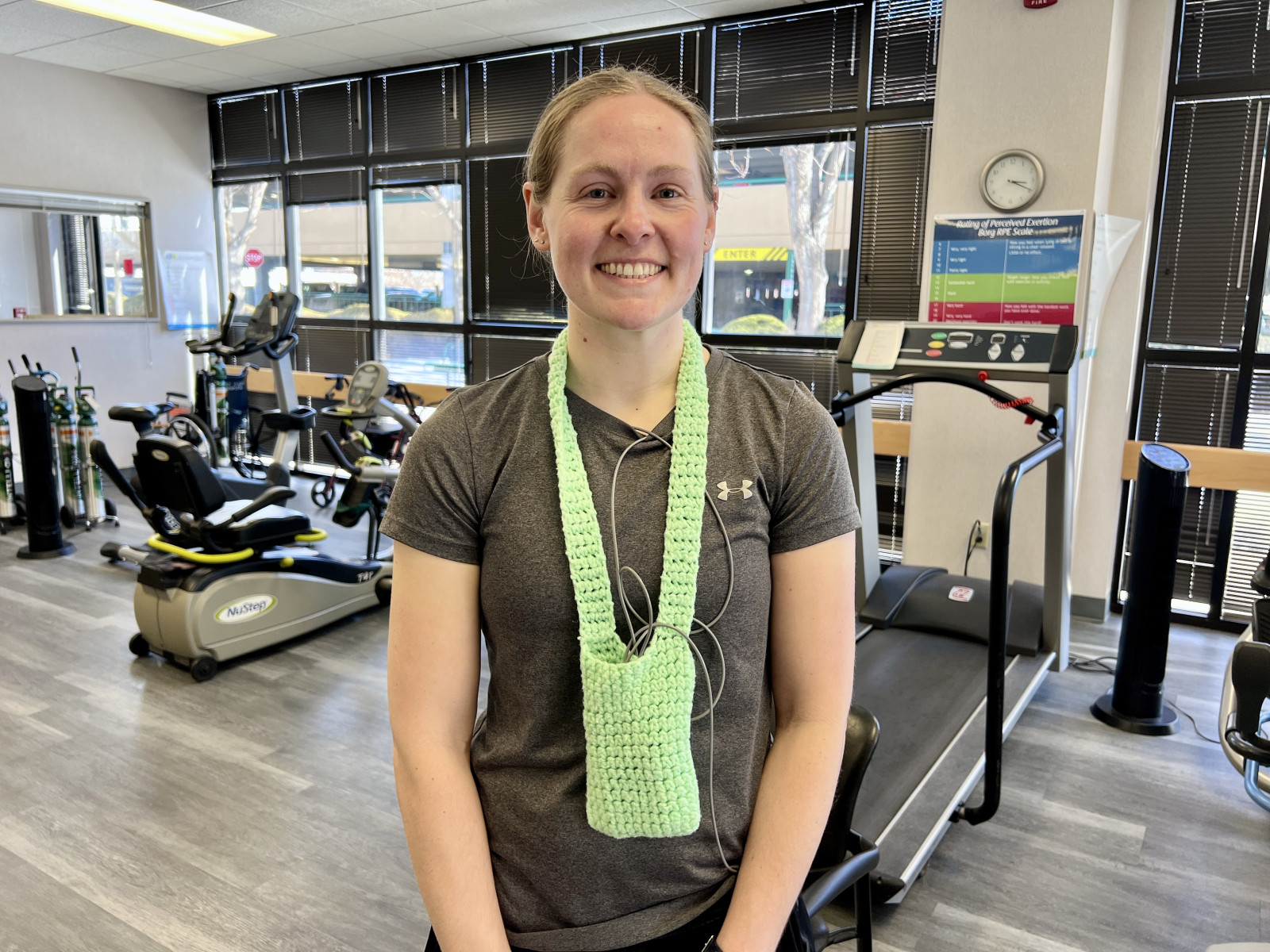
February is American Heart Month, a time dedicated to raising awareness about heart health and the importance of recognizing the symptoms of heart attacks and heart disease. This is especially crucial for women, as their symptoms can often present differently than those in men. Understanding these differences can be lifesaving, say heart experts at Intermountain Health.
A good example of that is Sara Lubke, 32, of Billings, Montana.
It was early January this year, when Lubke began experiencing chest pain while exercising at home. Initially, she thought the seemingly minor symptoms would go away.
"I thought it was low blood sugar, but it kept hurting," she recalls.
The pain persisted and spread to her neck, jaw, and shoulders. Despite her young age and lack of family history or previous indications of heart issues, Lubke was having a heart attack.
After researching her symptoms online, she made the decision to seek medical help at the Intermountain Health West End Walk-In Clinic in Billings. "I went to the walk-in clinic, and after some initial testing, they told me, ‘You are having a heart attack, and we are sending an ambulance for you," recalled Lubke.
Lubke was taken to Intermountain Health St. Vincent Regional Hospital, where doctors discovered a 100% blockage in one of her arteries to her heart and promptly placed a stent, using a catheter device to restore blood flow.
While she recovers from her life-saving procedure and comes to terms with her unexpected, life-changing event, Lubke is gaining her strength back through cardiac rehabilitation at Intermountain Health.
Her care team expects her to make a full recovery with no impact on her ability to return to her normal work and daily routines.
“They expect with my new medications and cardiac rehab, my heart will go back to normal function,” she shared.
Lubke’s story highlights the importance of recognizing and acting on heart attack symptoms, regardless of age or perceived risk factors.
For women like Lubke, heart attack symptoms at first can be subtle and may be overlooked.
According to Intermountain Health heart experts and the American Heart Association, women may experience the following symptoms:
- Uncomfortable pressure, squeezing, fullness, or pain in the center of the chest
- Pain or discomfort in one or both arms, the back, neck, jaw, or stomach
- Shortness of breath with or without chest discomfort
- Breaking out in a cold sweat, nausea, or lightheadedness
- Unusual fatigue or weakness
- Severe indigestion unrelieved by medication
In addition to knowing the signs, Intermountain heart experts say understanding your risk factors is also important: Weight, age, diet, diabetes, and blood pressure are commonly known risk factors, but studies show that occupation may also play a role in someone’s risk for heart disease.
Lubke works as an investigator for the State of Montana's Division of Criminal Investigations.
Studies have found that first responders and law enforcement officers face an increased risk of heart attacks due to the nature of their work. The constant exposure to high-stress situations, irregular sleep patterns, and physical demands can take a toll on their cardiovascular health.
The average age of a first heart attack for law enforcement officers is significantly lower than that of the general population. Heart specialists at Intermountain Health recommend that those who work in high-stress professions speak with their primary care providers about how that may affect their risks.
“First, and most importantly, contact your primary care provider and talk openly if you are noticing any changes in your health that may be related to your heart,” shares Carine Basmadjian, MD, a cardiologist at Intermountain Health. “Are you unable to do your normal activities without shortness of breath or excessive fatigue? Do you have any new shoulder, back or abdomen pain when you are exerting yourself? If you have a family history of early heart disease, share that information with your provider as well. And if you are having more serious symptoms or pain, call 911.”
Raising awareness about heart attack symptoms and the unique risks faced by women and first responders is essential. Preventive measures, such as regular check-ups, maintaining a healthy lifestyle, and managing stress, can help reduce the risk of heart disease.
“I want people to know that it can actually happen and that it can be very unexpected,” Lubke shared. “I had no family history, and my blood pressure was good. I had no previous indications that it could be something.”