


Montana Woman Shares Advice After Workout Causes Medical Emergency; On Path to Recovery Thanks to Intermountain St. Vincent Hospital
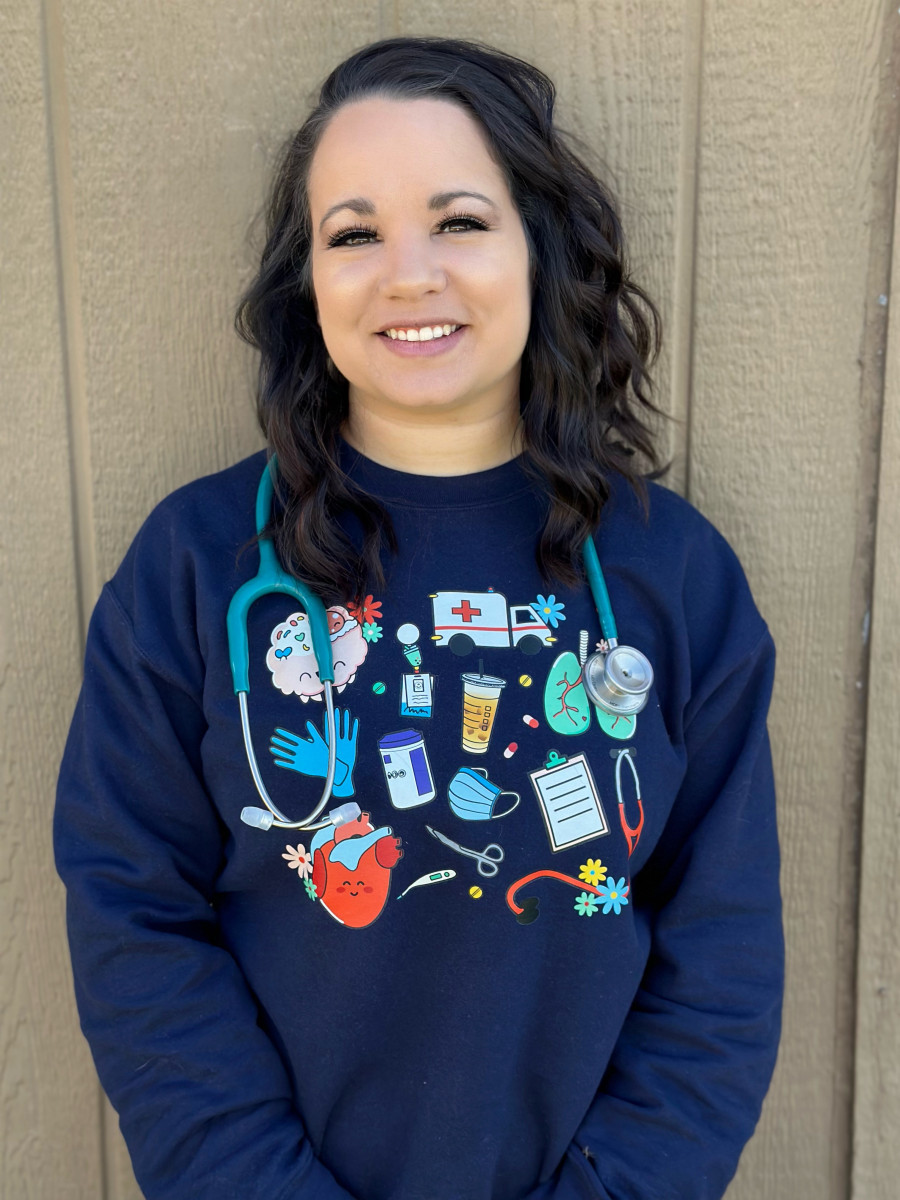
What started as a typical workout class for 28-year-old Morgynn Buxbaum of Billings, Montana, quickly spiraled into a medical emergency that landed her in the hospital for a week.
Her story is a reminder of the importance of listening to your body and taking it slow when starting a new activity.
After attending a new fitness class in February, Buxbaum experienced what she thought was normal post-exercise soreness. But by the next day, the pain had intensified to the point where she could barely sit or walk.
“That night, I used leg compressions, but it didn’t help. I only got two hours of sleep.” she said.
Suspecting something more serious after her urine became discolored, Buxbaum, a nurse, reached out to a colleague, who encouraged her to go to the walk-in clinic.
After an evaluation at the Intermountain Health Walk-in Clinic in Billings, she was immediately referred to the emergency room at Intermountain Health St. Vincent Regional Hospital.
Caregivers at the hospital determined she was suffering from Rhabdomyolysis.
Often referred to as “rhabdo,” it is a rare but serious condition that occurs when damaged muscle tissue breaks down and releases proteins and electrolytes into the bloodstream. These substances can severely damage the kidneys and other organs, and in some cases, the condition can be life-threatening
She was admitted to Intermountain St. Vincent under the care of Brandon Weeden, DO, for treatment with fluids and monitoring.
“The numbers for my kidney and liver function were really high,” Buxbaum said. “They did ultrasounds on my kidneys, liver, and legs. There was even concern about nerve damage.”
Buxbaum stayed in the hospital for nearly a week. “My numbers didn’t start dropping until almost a week in,” she said.
Rhabdo can be triggered by extreme physical exertion, trauma, dehydration, or certain medications. Symptoms typically appear within one to three days after muscle injury and may include severe muscle pain, swelling, weakness, and dark-colored urine that resembles tea or cola. Some individuals may also experience nausea, decreased urination, or even loss of consciousness.
While more common in older adults, Dr. Weeden recommends that all individuals stay in-tune with their body, especially as they ramp up or try new activities to prevent rhabdomyolysis.
“It’s important to gradually increase the intensity of workouts, staying well-hydrated, avoiding excessive heat exposure,” he said. “Also pay close attention to how your body responds to physical stress. If you experience unusual or extreme muscle soreness, fatigue, or changes in urine color, it’s critical to seek medical attention immediately. Early diagnosis and treatment can significantly reduce the risk of long-term complications”
Buxbaum’s recovery has been slow, but she looks forward to getting back to full health.
“After leaving the hospital, it took almost 4 to 5 days to walk normal and even then, it was a slow shuffle.” she said. “Although I am better, walking at times is painful and takes a lot of out me.”
Buxbaum hopes to share her experience as a cautionary tale.
“It’s important to prep your body and listen to your body,” she said. “Don’t ignore the signs and if something feels off, go to the doctor,” she said.