


Matt Jensen Keeps Moving Forward Five Years After Advanced Colon Cancer Diagnosis
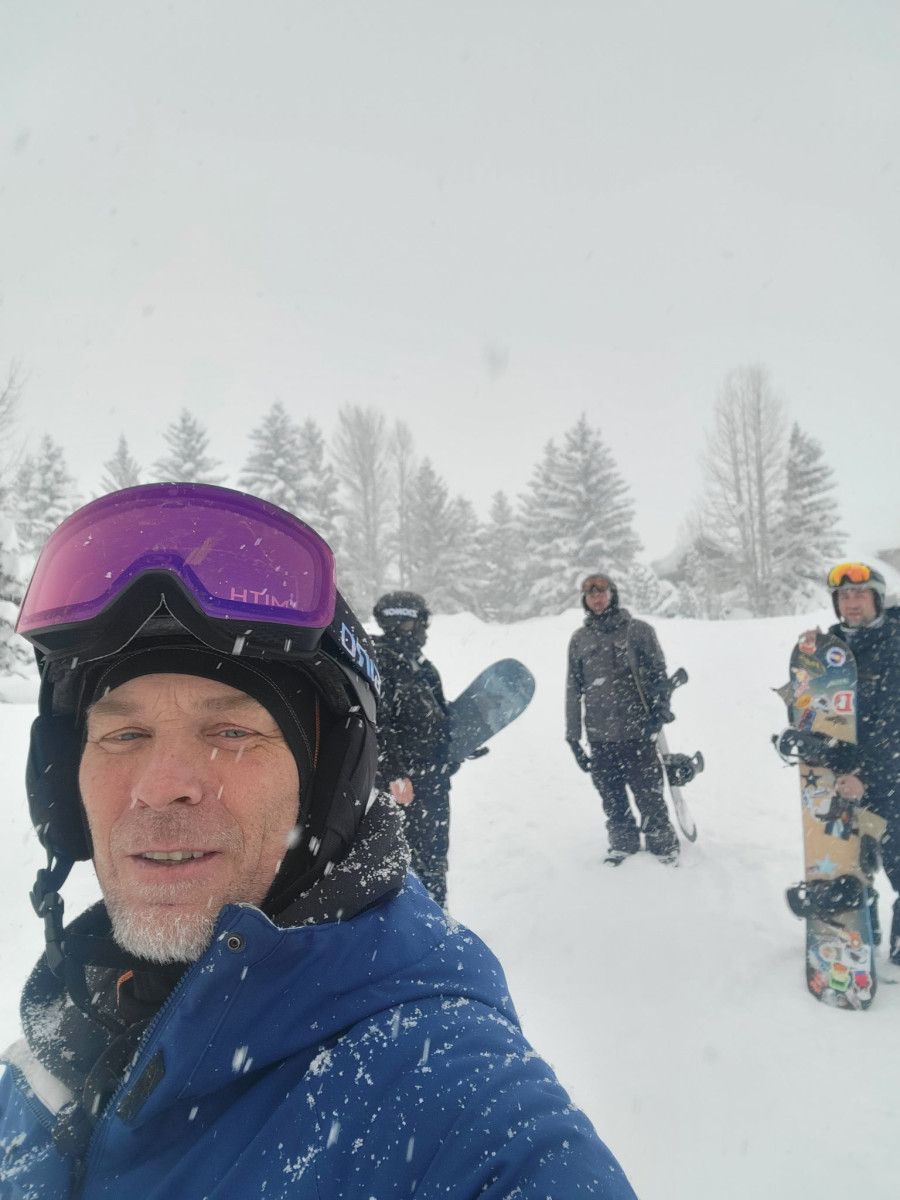
The visit starts the way many of Matt Jensen’s appointments do with a quick check-in, a blood draw, and a conversation about snow.
Jensen, 47, comes to the Intermountain Health Cancer Centers of Colorado in Golden every three weeks. After lab work, a review with his care team, and a few hours of IV hydration, he heads home with a two-week course of oral chemotherapy, followed by one week off before starting the cycle again.
This type of routine began after a sudden health crisis in early 2021, when Jensen was 42 and focused on running his vinyl decal installation business and raising two kids as a single dad.
“One morning I woke up really sick, I couldn't go to work, and they hauled me off to the emergency room,” Jensen said.
Doctors found a mass in his lower intestine and removed it. Tests confirmed colorectal cancer that had spread to his lungs, liver and lymph nodes — an advanced diagnosis that can be difficult to treat and was unlikely to be cured.
Looking back, Jensen said there were warning signs that he brushed aside. “Being busy, I ignored the signs,” he said, noting how easy it was to delay care while working long hours and parenting teenagers.

Today, Jensen’s children are in their 20s and live nearby. He hopes to be there for their milestones — and he’s planning his own wedding next year.
“Living with advanced stage cancer is a day-to-day thing,” he said. “I really try to stay active and not think about it.” These days, he spends time with friends on the disc golf course, travels with his fiancé and keeps tabs on a group text to see who’s heading out to snowboard each Thursday.
Snowboarding has been part of Jensen’s life since he was 18, and he still finds time for mountain days when he’s feeling well and snow permits. He and his fiancé also take road trips and explore local trails in an older off-road vehicle — adventures, he said, that help keep life feeling normal.
Jensen said he had symptoms before his diagnosis, but he didn’t want to slow down long enough to get them checked. That experience now shapes what he tells others: Pay attention to your body and don’t delay care.
Jeff Owsley, MD, a medical oncologist with Intermountain Health, said that for patients with advanced colorectal cancer, treatment often focuses on extending life while protecting what matters most day to day.
“It’s very important with any patient that we do our best to keep them alive as long as possible while trying to marry their quality-of-life aspects,” Owsley said. “He’s a very active individual, and we keep that in mind.”
Dr. Owsley said cancer care continues to evolve, bringing new options and better ways to manage side effects that can otherwise be debilitating. “New treatments emerge,” he said, and teams keep looking for what might help each patient next.
For Dr. Owsley, Jensen’s approach has been a reminder that a diagnosis doesn’t erase a person’s identity. “It’s just his continuation of his life,” he said. “His ability to try to live his life has been awesome to watch.”
Dr. Owsley also sees a troubling pattern nationwide as more younger adults are being diagnosed with colorectal cancer, sometimes at later stages. The American Cancer Society has reported rising incidence in people under 55, increasing about 1% to 2% each year since the mid-1990s.
Researchers are still working to understand what’s driving the shift, Dr. Owsley said, and the answers may involve multiple factors. In the meantime, he emphasized awareness, prevention, and timely screening.
Medical experts recommend that people at average risk begin colorectal cancer screening at age 45. Anyone with a family history or other risk factors should ask their clinician whether screening should start earlier.
Common symptoms of colorectal cancer can include abdominal pain, a change in bowel habits, blood in the stool, unexplained weight loss, or persistent fatigue. Symptoms can have many causes, but Dr. Owsley said they should prompt a conversation with a clinician — especially if they don’t go away.
For Jensen, the goal is simple: To keep showing up for the people he loves and the mountains he calls home. “I really try to stay active,” he said — a focus his care team supports, one three-week cycle at a time.