


Intermountain Health and Utah Highway Safety Office Urge Parents to Rethink Common Car Seat Mistakes
Experts explain the "why" behind key car seat rules ahead of Child Passenger Safety Week
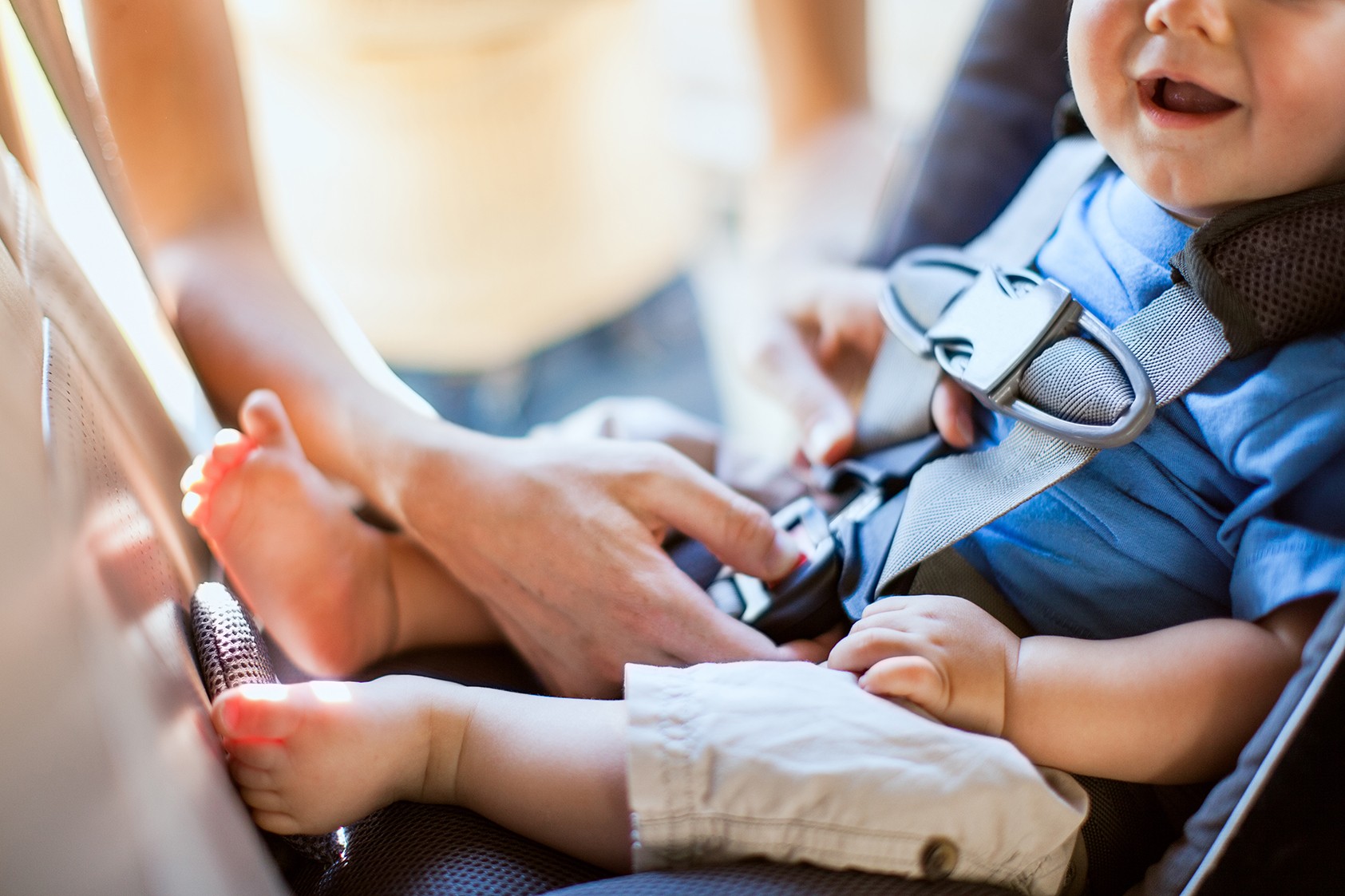
Ahead of Child Passenger Safety Week happening September 20–26, Intermountain Health Primary Children's Hospital and the Utah Department of Public Safety's Highway Safety Office are urging parents and caregivers to take a fresh look at how they are restraining their kids in the car.
More than 65% of car seats are installed or used incorrectly, according to national safety data – 67.5% in Utah. This year, local safety experts are moving beyond a simple checklist of rules to explain why each practice matters, in hopes that a better understanding will lead to better habits.
"Parents aren't ignoring the rules on purpose; they often just don't realize how much a small mistake can change the outcome in a crash," said Michelle Jamison, child passenger safety instructor for Intermountain Children's Health. “When you understand what a top tether or a booster seat is actually doing to protect your child's body, it's a lot easier to get it right every time."
Here are three of the most common mistakes CPS technicians see and why they matter:
1. Skipping or misusing the top tether. The top tether is the strap at the top of a forward-facing car seat that attaches to an anchor point in the vehicle. When used correctly, it significantly reduces how far a child's head moves forward during a crash, lowering the risk of serious head and neck injuries. The top tether should always be used on forward-facing seats.
2. Moving kids out of a booster seat too soon. Vehicle seat belts are designed for adult bodies. A properly fitted booster raises a child up so the seat belt sits across their hips, not their stomach, and across the collarbone. Graduating a child out of a booster too early can leave them dangerously unprotected in a crash. Most children need a booster seat until they're about 4 feet 9 inches tall — typically between ages 8 and 12.
3. Letting kids ride in the front seat before age 13. Even if a child is tall enough to wear a seat belt correctly or mature enough to sit still, the back seat offers far better protection from front airbag deployment and the primary impact zone in a frontal crash. Children's developing bones and bodies simply aren't built to withstand those forces the way an adult's body is. All children under 13 should ride in the back seat.
Although safety restraints for every young passenger are required, the consistency of proper protection declines sharply as children age. Throughout Child Passenger Safety Week and beyond, certified technicians across the state offer free, personalized guidance on proper installation and height/weight limits. Find a year-round check station or schedule an appointment near you at Clickit.Utah.gov.
# # #