


How Longstanding Partnership with Her Intermountain Health Primary Care Physician Changed Montana Woman’s Outlook & Health
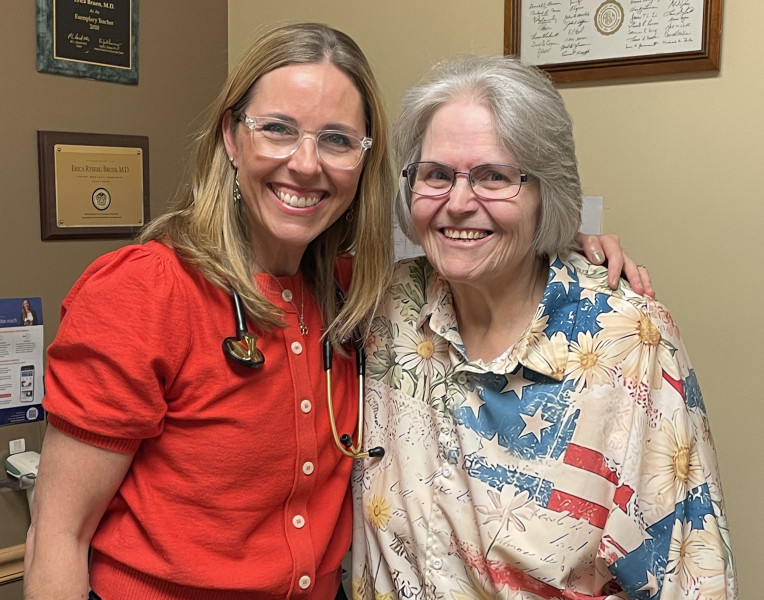
For years, Carol Raschkow’s everyday became more and more difficult as debilitating chronic health conditions and pain gradually took control of her life.
Degenerative spine disease, severe arthritis and epilepsy left her dependent on a wheelchair, and eventually homebound.
By 2024, the pain had become so severe that even short periods of sitting were unbearable, and depression compounded the physical toll.
But just 18 months later, Raschkow is rebuilding her life, standing again in physical therapy, traveling independently to appointments and setting new goals she once believed were impossible.
She credits that transformation to a long-standing partnership with her Intermountain Health primary care physician, Erica Bruen, MD, who practices at the Intermountain Health Clinic in Billings, Montana.
Raschkow has worked with Bruen for more than a decade, a continuity that proved critical as her health challenges became more complex.
Their partnership helped Raschkow navigate care for her chronic conditions, including referrals and coordinated care with pain management, neurology and orthopedic specialists.
Dr. Bruen also helped coordinate spinal injections, specialized equipment and home health services as Raschkow’s mobility declined. When in-person visits were no longer feasible, telemedicine became an essential part of Raschkow’s care.
“For four years, I mostly saw her through virtual visits,” Raschkow said. “Those virtual visit were my lifesaver.”
Monthly telehealth appointments allowed Dr. Bruen to closely monitor symptoms, adjust treatment plans and provide consistent encouragement.
“She has just been a godsend,” Raschkow said. “She researches every problem you’re having and helps you get to the right specialist, not just any specialist, but the one she feels is the best fit.”
By 2024, Raschkow had to rely on ambulance transport to reach medical appointments because she could not tolerate sitting upright for long periods.
Dr. Bruen helped her obtain an electric wheelchair, easing pressure and allowing her to sit longer. Home physical therapy followed, ensuring she could continue to make progress without leaving her home.
“It was a partnership,” Raschkow said. “She encouraged me every month, and when she encouraged me, I pushed harder. That’s what it took to get where I am.”
One of the most significant changes came when Raschkow asked for help tapering off long-term opioid medications, which had contributed to worsening depression.
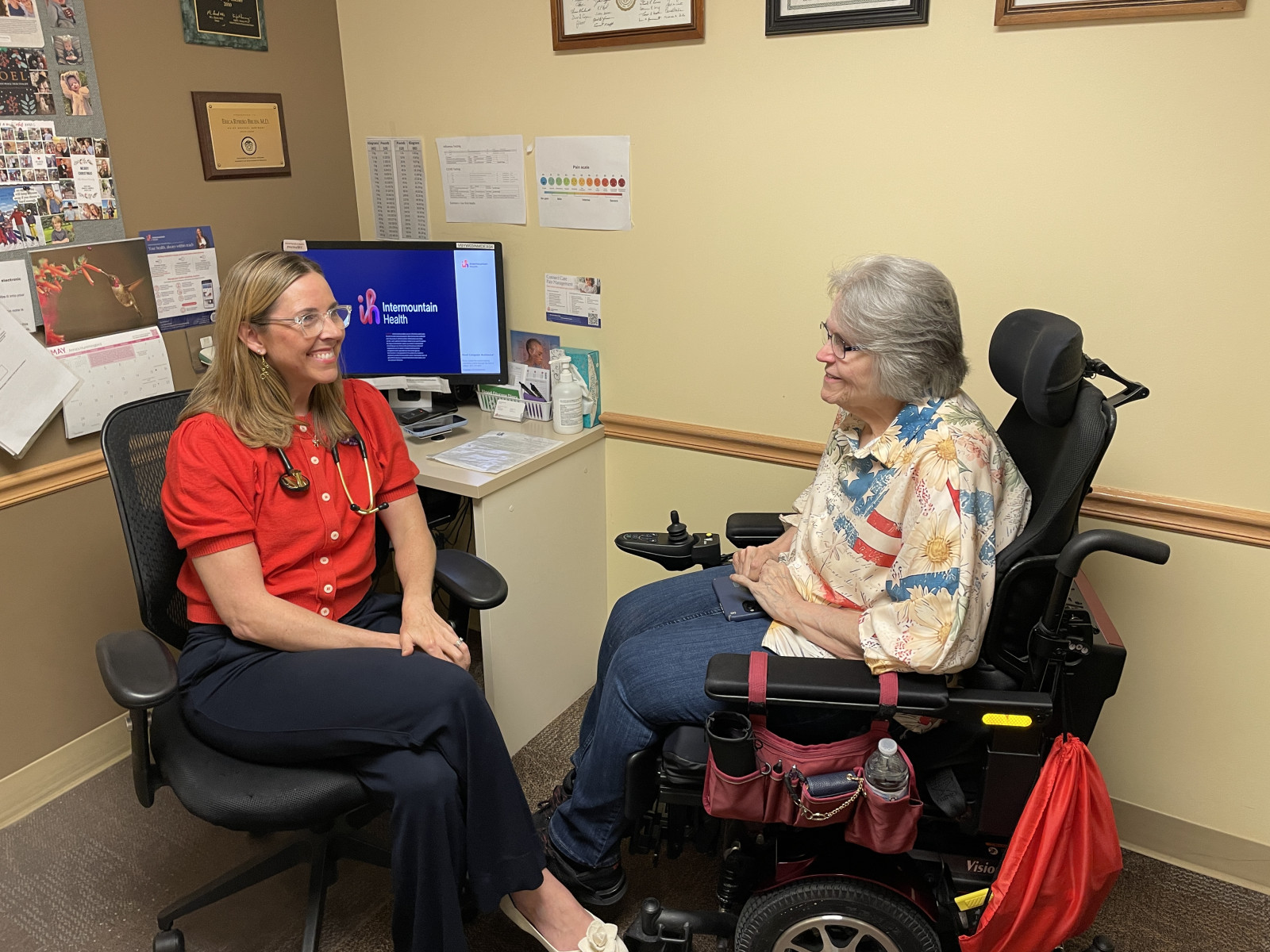 Often patients are afraid of making changes or feel that their situation is hopeless,” said Dr. Bruen. “Carol was motivated to go through the necessary challenges of deescalating her chronic medications, including her pain medicine, to improve her overall health.”
With Bruen’s guidance, Raschkow transitioned off the medication through a carefully managed plan. Today, she uses a very low dose of medication and relies on opioids only in rare situations. The impact extended far beyond pain control.
"For over a year now, my depression has been next to nothing,” Raschkow said. “Getting off the opioids and finding the right antidepressant changed everything.”
As her pain and mental health improved, Raschkow was able to focus on nutrition and overall wellness, eventually losing 135 pounds.
That weight loss allowed her to qualify for hip surgery she had previously been unable to undergo. The procedure, performed in late 2024, marked another milestone in her recovery.
“I was kind of at the end of my rope,” Raschkow said. “My worst day now is better than my best day back in 2024.”
Today, Raschkow has physical therapy twice a week and travels independently to appointments using ADA public transit.
She is working toward regaining strength for everyday activities and hopes to be able to drive again.
“Carol's story highlights her hope, perseverance, and hard work,” said Dr. Bruen. “It also highlights the importance of a trusting therapeutic relationship, the importance of multidisciplinary care working together, and modern technology that allowed her to receive care in her home until she was able to regain her independence. I firmly believe that without any of those components, she would not be here today.”
While she expects to live with some long-term mobility limitations, the progress has been life-changing.
“I’ve gone from only being able to pivot from one chair to another to standing and training my legs again,” she said. “It’s a remarkable change.”
For Raschkow, the experience highlights the power of consistent, compassionate primary care.
“Dr. Bruen and her guidance has been my only map to maintain my independence and be able to continue to live alone,” she said. “As a retired nurse, I am so grateful that there are still doctors who are this dedicated to individual care.”