


Extreme Heat Expected Across Utah This Weekend; Intermountain Health Doctors Urge Utahns to Take Precautions as Temperatures Near 105 Degrees
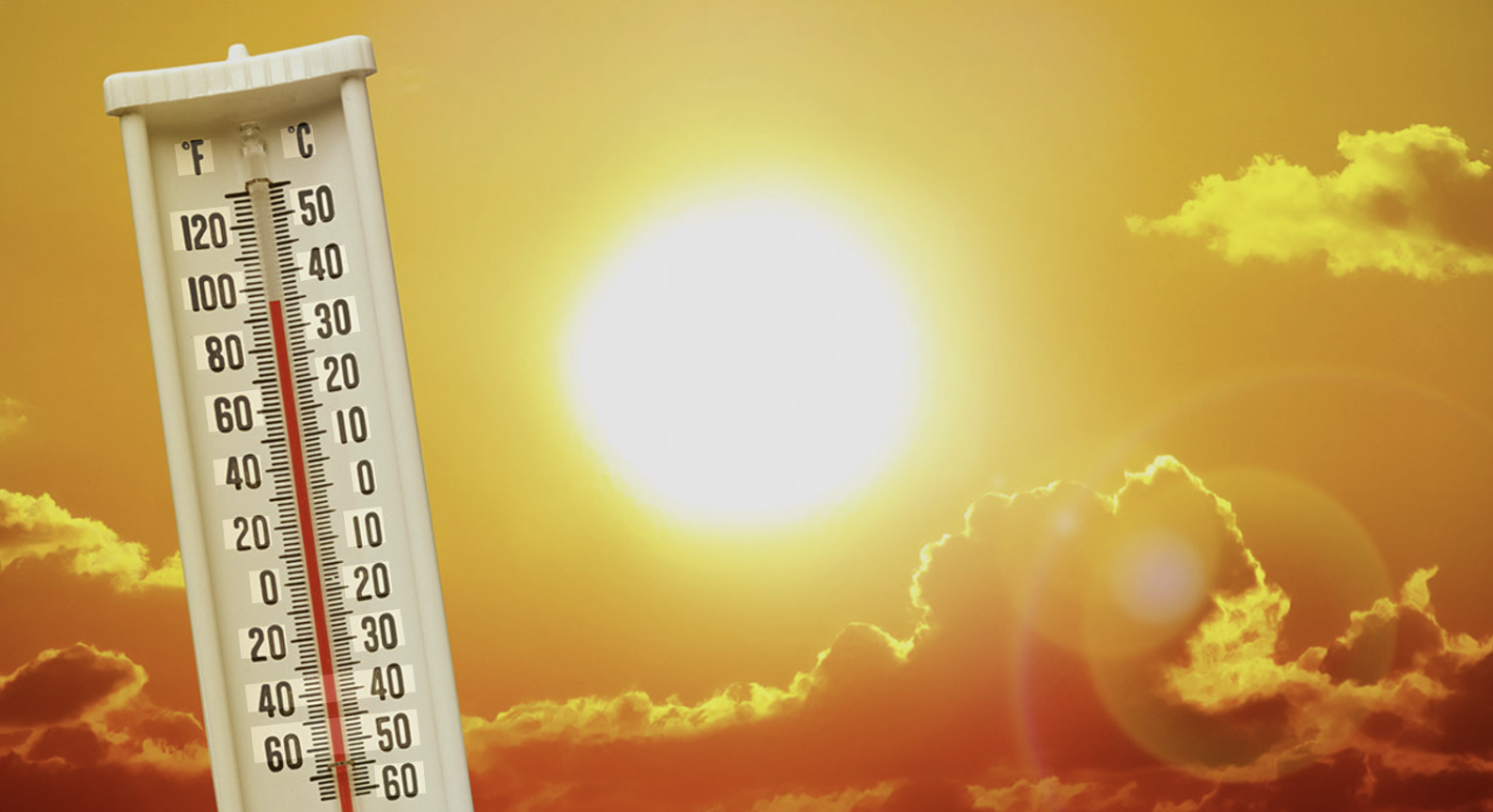
Intermountain Health emergency medicine doctors are urging Utahns to take precautions this weekend as temperatures across the state are expected to reach or exceed 105 degrees, increasing the risk of serious heat-related illnesses.
Doctors met with news media on Friday at Intermountain Medical Center in Murray to outline important steps for Utahns to take over the weekend to protect themselves from the extreme heat that is expected in Utah Friday through Monday.
They are encouraging everyone to take steps to stay cool, stay hydrated and check on family members, neighbors and friends who may be vulnerable to extreme heat.
“High temperatures can quickly become dangerous, especially for people spending extended periods outdoors or those without access to air conditioning,” said Angela Allen, MD, an emergency medicine physician at Intermountain Medical Center. “Heat-related illnesses can develop rapidly and, if left untreated, can become life-threatening, especially for the very young and older people.
Dr. Allen says by planning ahead, checking on those at higher risk who are unable to leave their homes, and taking simple precautions, Utahns can stay safe and healthy during this period of extreme heat.
“Extreme heat can be one of the deadliest weather hazards in the United States,” she said. “When temperatures climb into the triple digits it’s important for everyone to take heat warnings seriously and know the signs of heat-related illness.
How to Protect Yourself During Extreme Heat
Dr. Allen recommends the following steps for people to follow to reduce their risk of heat-illnesses:
• Drink plenty of water throughout the day, even if you do not feel thirsty.
• Avoid alcohol and excessive caffeine, which can contribute to dehydration.
• Limit outdoor activities during the hottest part of the day, typically between 10 am and 6 pm.
• Wear lightweight, loose-fitting, light-colored clothing.
• Take frequent breaks in air-conditioned buildings or shaded areas.
• Use sunscreen and wear a wide-brimmed hat when outdoors.
• Never leave children, older adults or pets in a parked vehicle, even for a short period. Temperatures inside a vehicle can rise to dangerous levels within minutes.
• Check on neighbors, relatives and friends, especially those who live alone or may need assistance.

Know the Warning Signs of Heat Exhaustion and Heat Stroke
People should be aware of symptoms of heat-related illness and seek medical attention, when necessary, said Dr. Allen.
Symptoms of heat exhaustion can include heavy sweating, weakness or fatigue, dizziness or fainting, headache, nausea or vomiting, and cool, pale or clammy skin.
“If someone shows signs of heat exhaustion, move them to a cool place, provide water if they are conscious and loosen or remove unnecessary clothing,” she advised.
Symptoms of heat stroke may include body temperature of 103 degrees or higher, confusion, altered mental state or loss of consciousness, hot, red or dry skin, rapid pulse, and seizures.
Call 911 immediately if someone is experiencing symptoms of heat stroke, said Dr. Allen. While waiting for emergency responders, move the person to a cooler location and attempt to lower their body temperature.
Who Is Most at Risk?
Dr. Allen says certain groups of people are more vulnerable to extreme heat and should take extra precautions.
They include:
• Older adults, especially those 65 and older
• Infants and young children
• Pregnant women
• People with chronic medical conditions, including heart disease, lung disease, diabetes and kidney disease
• People taking medications that affect hydration or temperature regulation
• Outdoor workers, including construction crews, landscapers, agricultural workers and first responders
• Athletes and individuals participating in outdoor recreation
• People without access to air conditioning
• Individuals experiencing homelessness
###