


A Crushed Helmet, a Son Who Lived: St. George Family Shares Story as Child Bike Injuries Surge
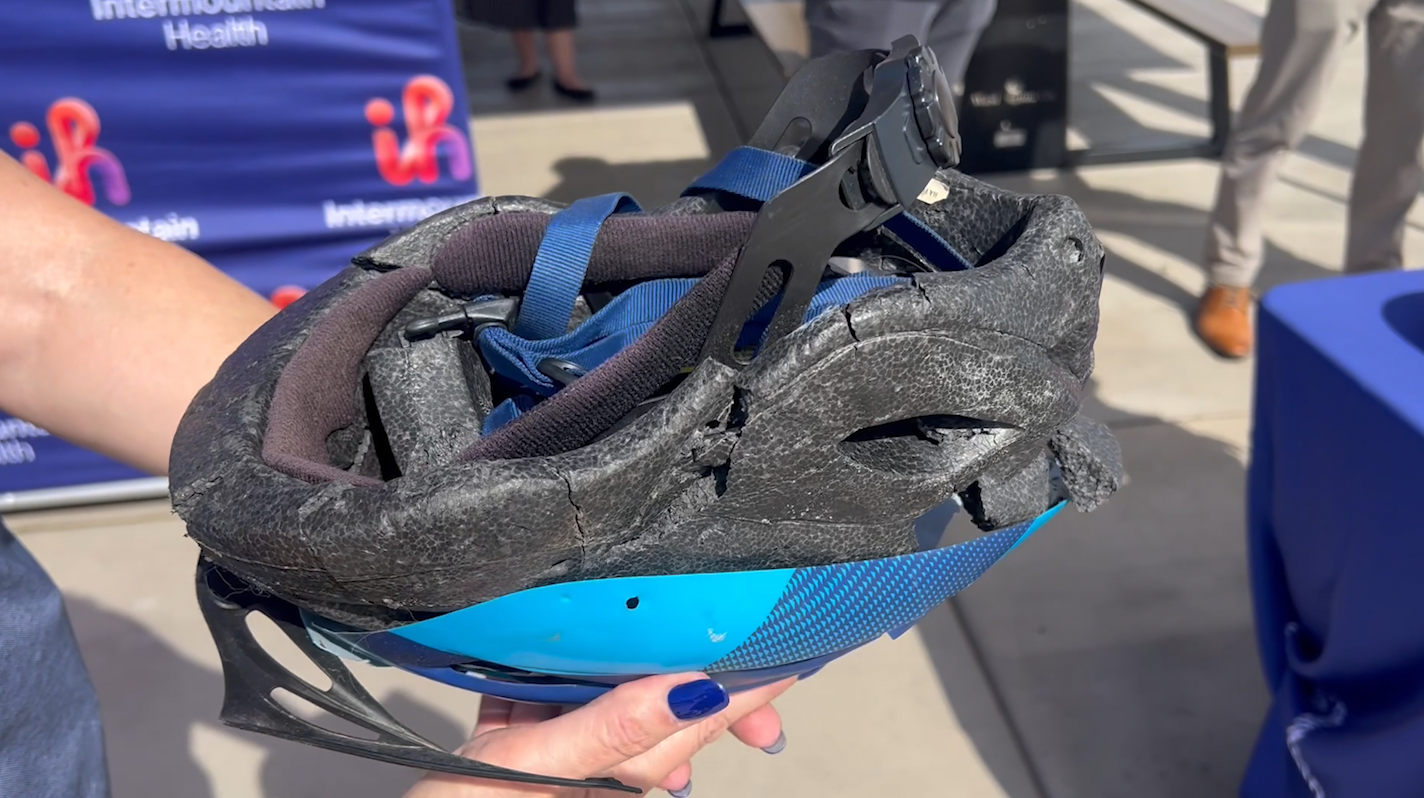
The helmet was crushed. Zach Winward was not. That is the difference an 8-year-old's bike helmet made on a March morning when a pickup truck struck him near his St. George home.
Today, Zach's family held up that shattered helmet before cameras and community members, sharing a message they hope no parent forgets: a helmet can change a family's entire story.
Intermountain Health, Gold Cross Ambulance, and Washington City leaders gathered Friday morning at Washington Wheels Park for a helmet safety news conference to remind families of the simple steps they can take to keep children safe.
Behind the event's urgency is a troubling reality showing up in emergency departments across the region.
Intermountain trauma data underscores the growing concern.
Intermountain's Primary Children's Hospital campuses show a nearly 67% jump in e-bike–related injuries among children and teens in a single year, mirroring a national surge that saw e-bike ER visits more than double between 2022 and 2024.
Of the 536 young patients treated in Intermountain Health emergency departments last year for injuries while riding a bicycle or scooter, only 38% reported wearing a helmet. Statewide, Utah recorded 2,358 bicycle-related injuries and 45 fatalities from 2020 to 2024, with nearly a quarter of crashes involving riders under age 24.
"Every child deserves to come home safely after riding a bike, e-bike, scooter or skateboard," said Erin Remund, trauma outreach and injury prevention coordinator at Intermountain Health St. George Regional Hospital. "A crash can happen in seconds, but recovery can take months or even years — and so many of these injuries are preventable."
For the Winwards, the science is now deeply personal.
Just over a week after Zach's eighth birthday, a driver blinded by the morning sun turned into a nearby cul-de-sac and hit him. Zach was struck by the front of the truck, went underneath, and was run over by the rear tire. An officer found a tuft of blonde hair on the inside of that tire and concluded the helmet had protected the boy's head.
Zach walked out of the hospital less than four hours later with only road rash, abrasions and a minor shoulder blade fracture — no traumatic brain injury, not even a concussion.
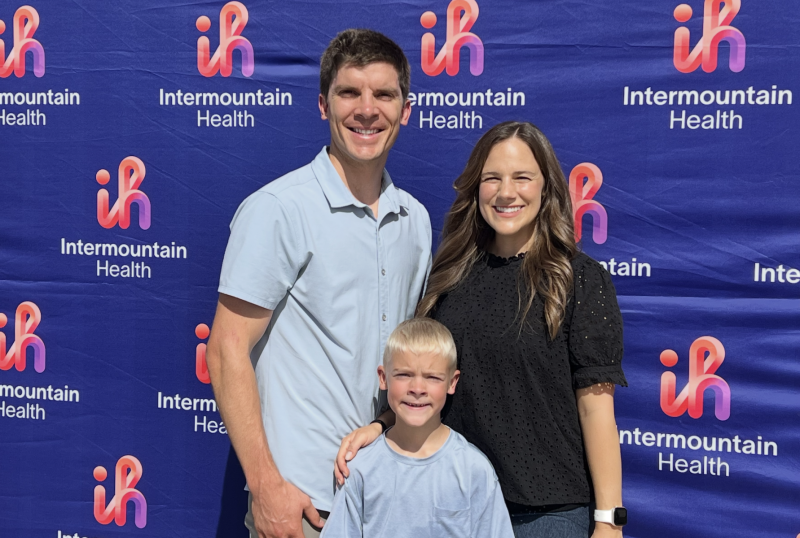
"That helmet is the reason we are standing here with Zach — and not at his funeral," said Jason Winward, Zach's father. "The few seconds it takes to put on a helmet can completely change a family's story, as it did ours."
Intermountain Health trauma specialists say stories like Zach’s highlight why helmet use remains one of the most effective ways to prevent serious injury among young riders.
Washington City Mayor Kress Staheli pointed to Utah's new e-bike helmet law and the role every driver, parent and neighbor plays in keeping young riders safe.
The message from the Winwards, Intermountain Health, and its partners was simple: make helmets automatic — every ride, every time.
That means setting up a firm "no helmet, no ride" rule, wearing one yourself, and matching the helmet to the activity, since faster e-bikes create far more force in a crash.
Families can find helmet fitting guidance, safety tips and additional resources from Intermountain Children's Health at the Wear Your Helmet resource page.
###