


Montana Man Reflects on Life-Saving Heart Surgery at Intermountain Health St. Vincent Regional Hospital
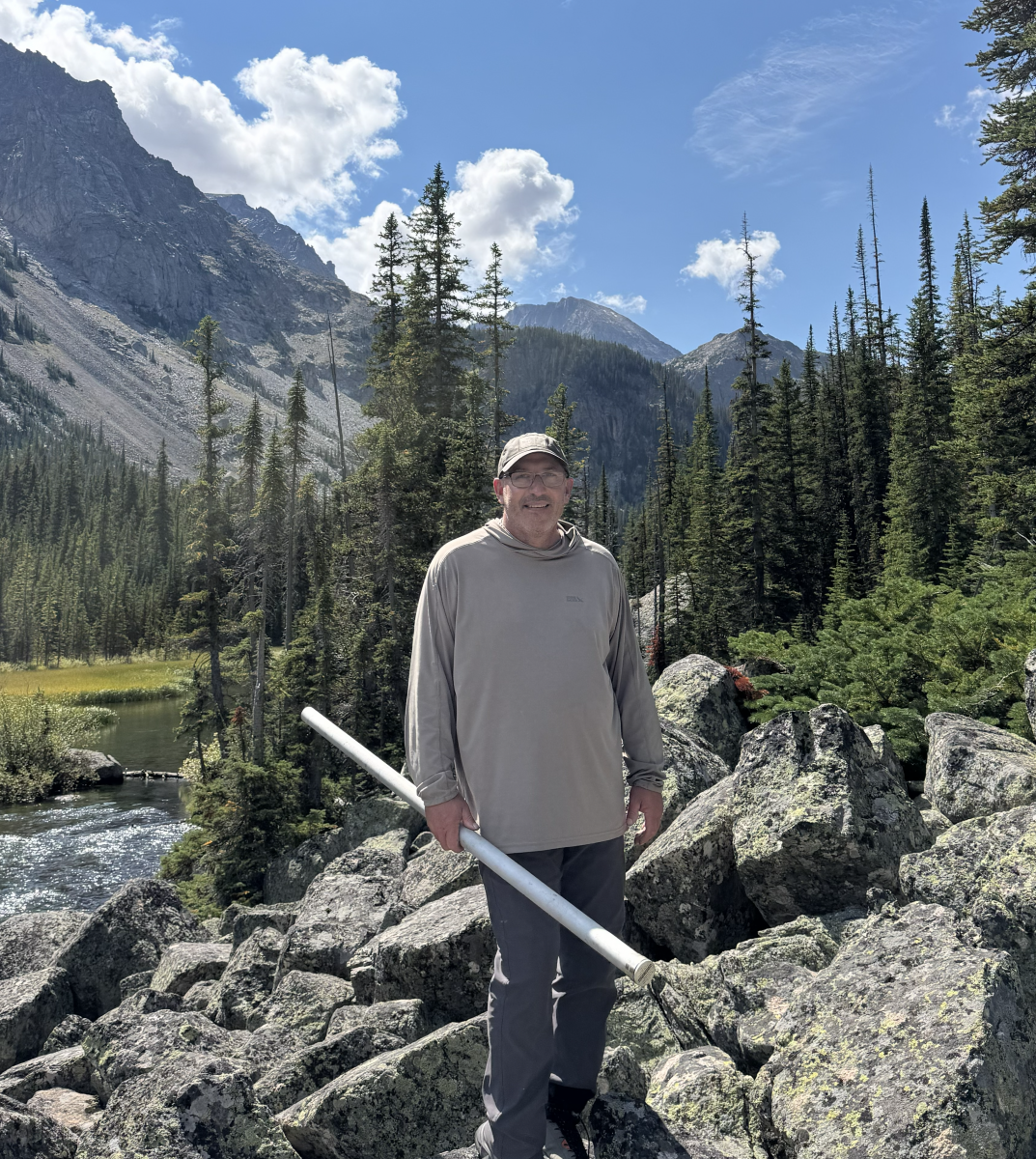
For Ed Waddell, 53, of Park City, Montana, the upcoming hunting season represents more than a return to a family tradition.
Seven months after emergency open-heart surgery saved his life, Waddell is preparing to do something he feared might never be possible again.
In February, Waddell suffered an ascending aortic dissection, a condition that is among the most serious cardiovascular emergencies. It occurs when a tear develops in the aorta, the major artery carrying blood from the heart.
The tear weakens the vessel and potentially causes a rupture, stroke, heart damage, or sudden cardiac arrest. For Waddell, the emergency began after what had otherwise been a normal day. He came home late from work, took a shower, and was getting ready for bed. After saying nightly prayers, he sensed that something was wrong.
“It felt like my heart had exploded,” he recalled.
Waddell looked at his wife, said another prayer, and told her they needed to go to the hospital.
At the emergency department at Intermountain Health St. Vincent Regional Hospital caregivers immediately began evaluating him. Tests included an electrocardiogram and CT imaging, which revealed the aortic dissection.
Emergency open heart surgery was needed to save his life.
The technical, five-hour surgery, performed by Intermountain Health cardiothoracic surgeon, Scott Needham, MD, repaired and rebuilt the damaged section of Waddell’s aorta. Waddell described the damaged vessel as resembling a “spider web.”
“Ed had an undiagnosed aortic aneurysm. That is a common cause of a dissection,” said Dr. Needham. “In his case it started where his aorta joins his heart, and it went all the way around to his pelvis. A dissection can be lethal. Fortunately, he came in right away.”
Recovery was not easy.
The first days following surgery were physically and mentally challenging. Waddell remembers little about portions of his hospital stay, but he remembers the compassion and encouragement shown by his care team. He credits both his caregivers and his Christian faith with carrying him through the experience.
“My higher power is Jesus, and he got me through it,” he said. “I wouldn’t be here unless they were here and the good Lord was with me.”
His recovery continued one step at a time. Early on, he worked toward walking half a mile twice a day. He participated in cardiac rehabilitation and gradually rebuilt his strength and confidence. He returned to work on June 15 and continues to walk and remain active each day.
By late August, Waddell was ready for one of his most meaningful tests. He joined his wife and one of their sons for a backpacking trip to Huckleberry Lake in the Beartooth Mountains.
The trip carried a significance that went far beyond the miles traveled. Months earlier, Waddell had wondered whether he would ever again experience the places and activities he loved.
Reaching the lake and spending the weekend in the backcountry with his family was powerful and served as proof that his strength, endurance and confidence were returning.
“It was emotional,” he said. “I was fearful and concerned and I thought that this was all done. It was by the grace of God.”
“With the risks of having an aortic dissection and the potential detrimental effects that happen from the significance of the tear, it’s quite amazing that he was discharge from the hospital on day five and he gets to continue his life doing what he loves with his family,” said Delaina Hooks, a physician assistant on the Intermountain cardiothoracic surgery team.
With that milestone behind him, he is now looking forward to Montana’s elk season, which opens Oct. 24.
His goal is to hunt opening day in the Shields Valley north of Livingston with his sons. Going hunting with them again has been both a hope and a prayer throughout his recovery. As that day approaches, Waddell is grateful simply to have the opportunity to walk into the mountains alongside his sons. Whether or not they bring home an elk, being there together will be a victory of its own.
“I was told that only about 50 percent of people make it to the hospital and 50 percent make it through that surgery,” Waddell said. “God’s not done with me yet!”
###